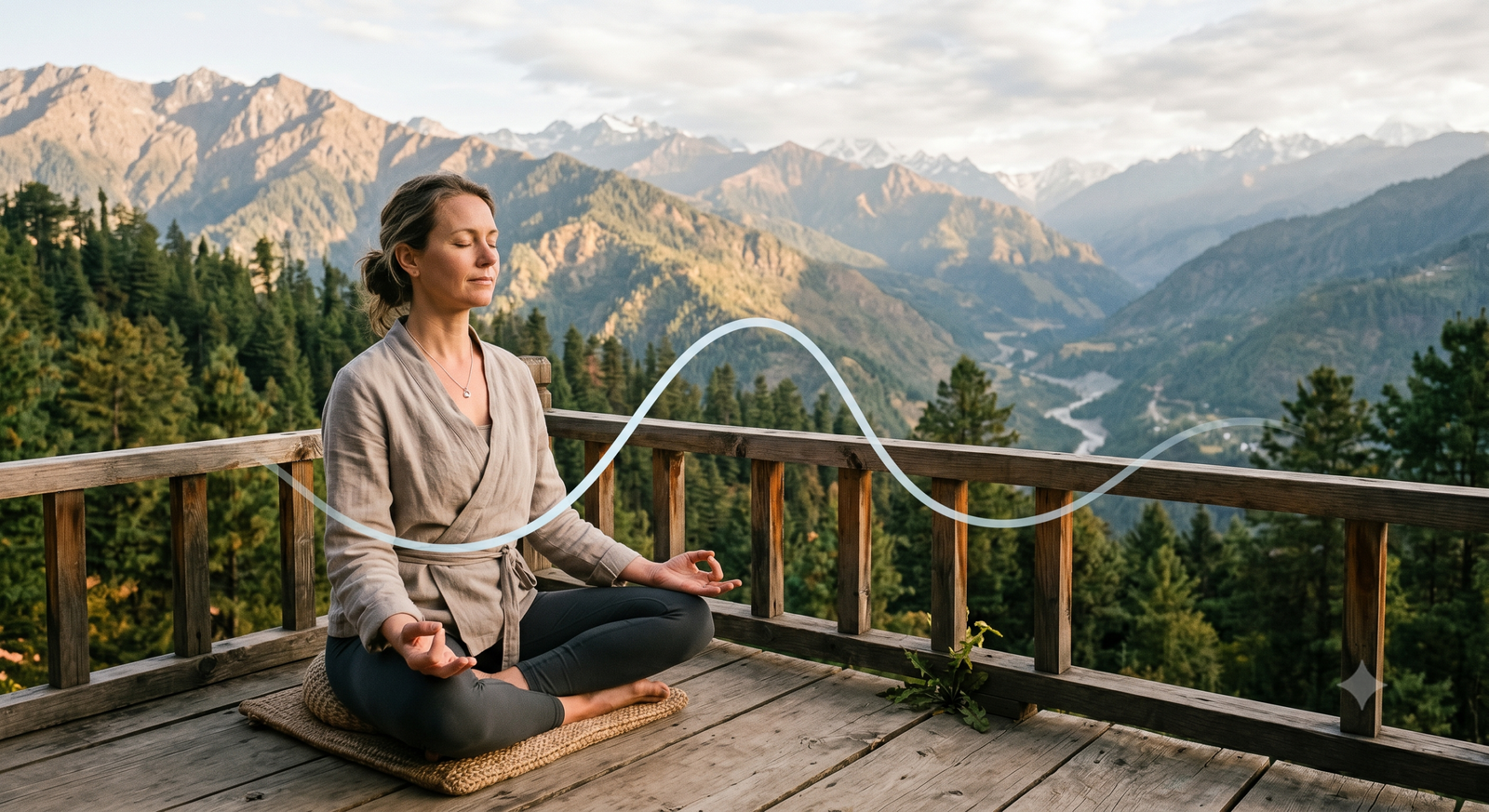
Why the “Sacred Pause” in Your Breath Matters
In the classical yoga tradition, conscious pauses in the breath are considered one of the most powerful gateways into stillness, clarity, and inner strength.
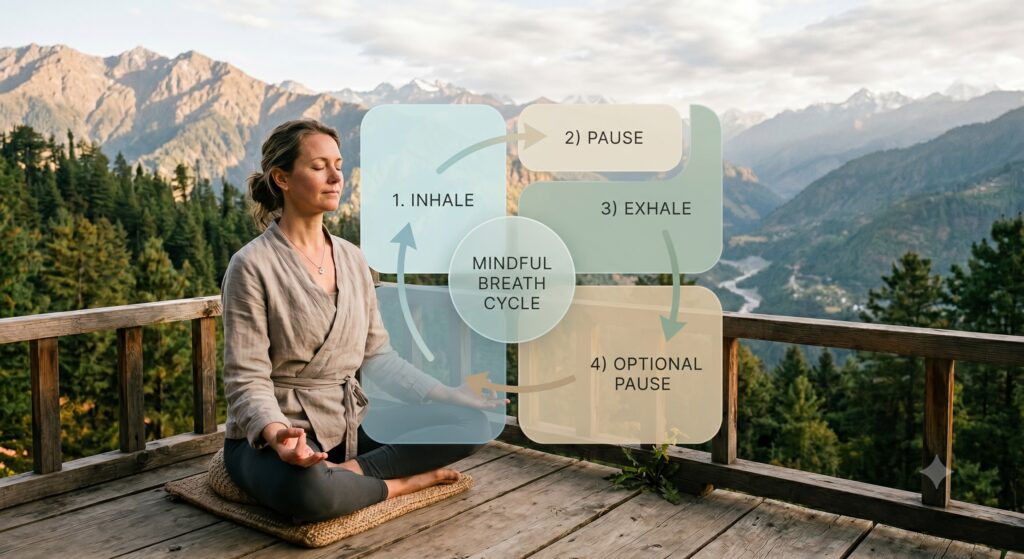
Here, breath retention means a deliberate, comfortable pause either after a smooth inhalation (with the lungs gently filled) or after an exhalation (with the lungs comfortably empty), practiced with awareness rather than force.
At Prana Privé, we see breath retention pranayama as a bridge between ancient wisdom and modern nervous system science—a way to move from “always on” survival mode into a more grounded, resilient way of being.
How Breath Retention Affects Your Brain, Heart, and Nervous System
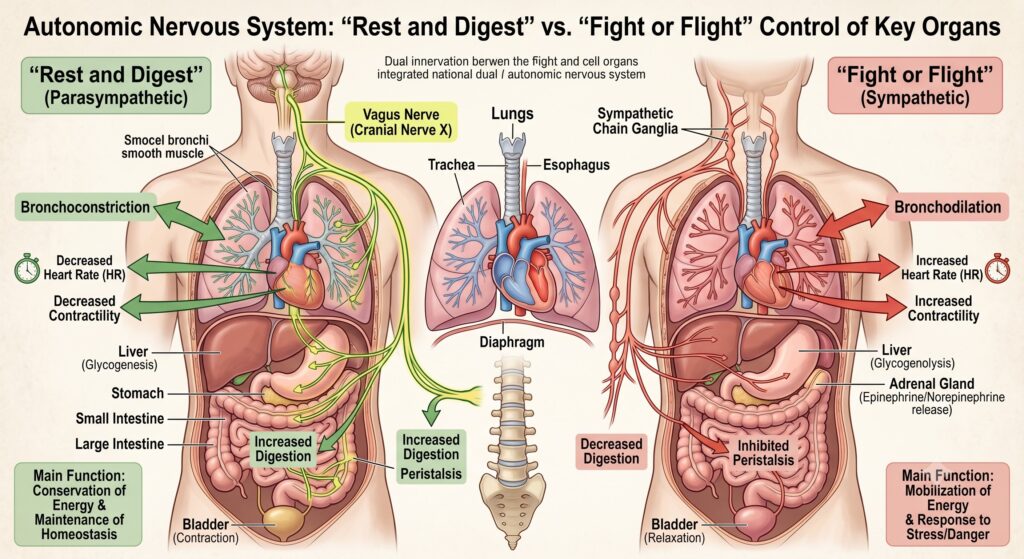
When you briefly hold the breath, you subtly change levels of oxygen and carbon dioxide in the blood, which sends signals to brain centers that regulate your heart, blood vessels, and emotional state.
Slow, deliberate yogic breathing that includes gentle retention has been shown to increase parasympathetic (rest‑and‑digest) activity and to improve heart rate variability, an important marker of stress resilience.
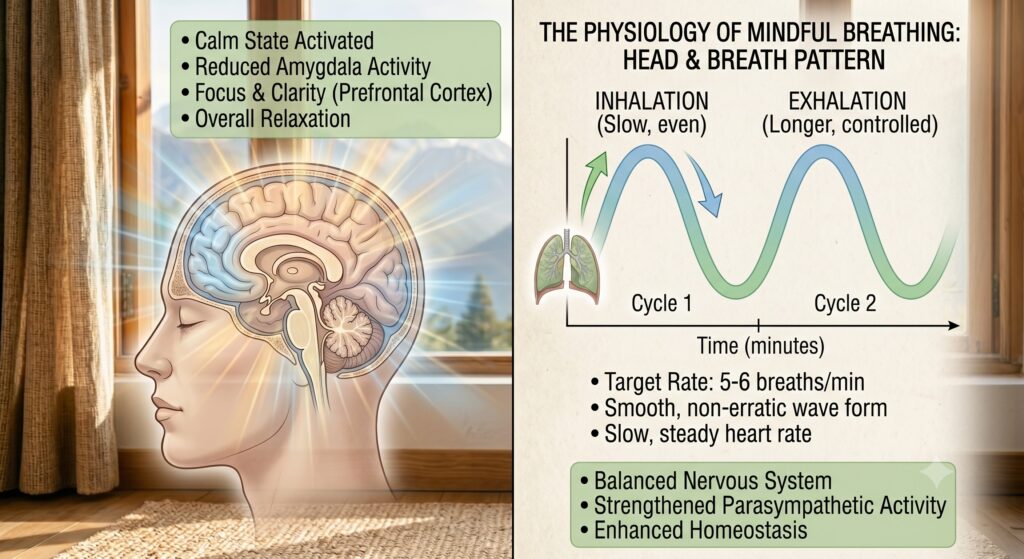
Research on slow breathing shows that working at around six breaths per minute can strengthen interactions between the heart, lungs, and brain, improving autonomic flexibility and emotional regulation.
However, stronger external breath holds can temporarily raise blood pressure and cardiac workload, which is why these methods are considered advanced pranayama techniques and must be approached with care.
Health Benefits of Breath Retention Pranayama
1. Expanding Lung Capacity and Respiratory Strength
A one‑month program of daily breath retention practice in healthy young adults led to significant improvements in maximum breath‑holding time and peak expiratory flow rate, both indicators of better lung capacity and stronger respiratory function.
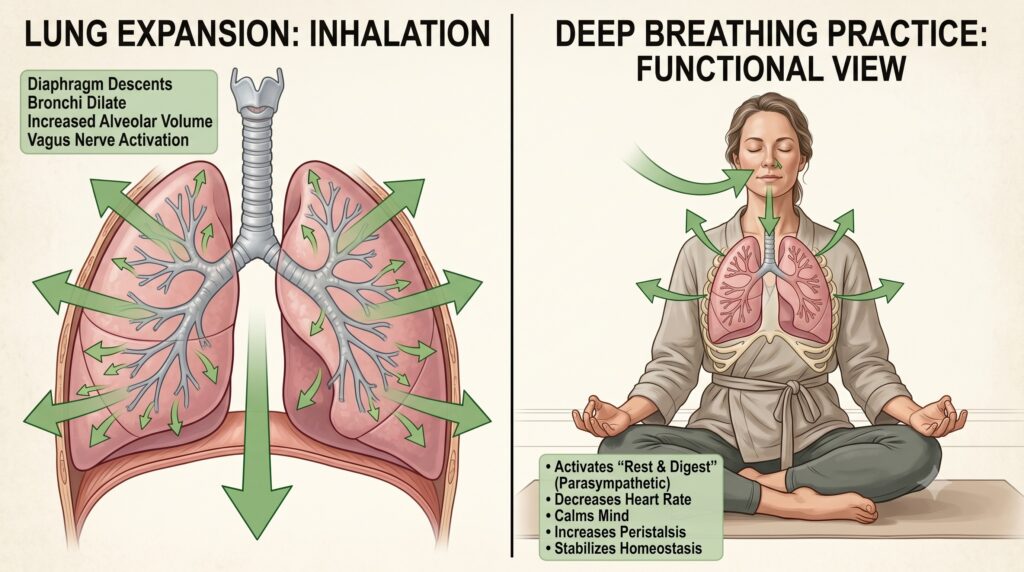
Practitioners of traditional pranayama also report that gentle internal breath holds strengthen the diaphragm, improve chest expansion, and help clear residual air from the lungs, supporting more efficient breathing overall.
For people wanting to build more resilient lungs—whether for yoga, trekking, or daily life—breath retention pranayama, layered over a foundation of slow breathing practice, is a powerful tool.
2. Reducing Anxiety and Regulating Stress
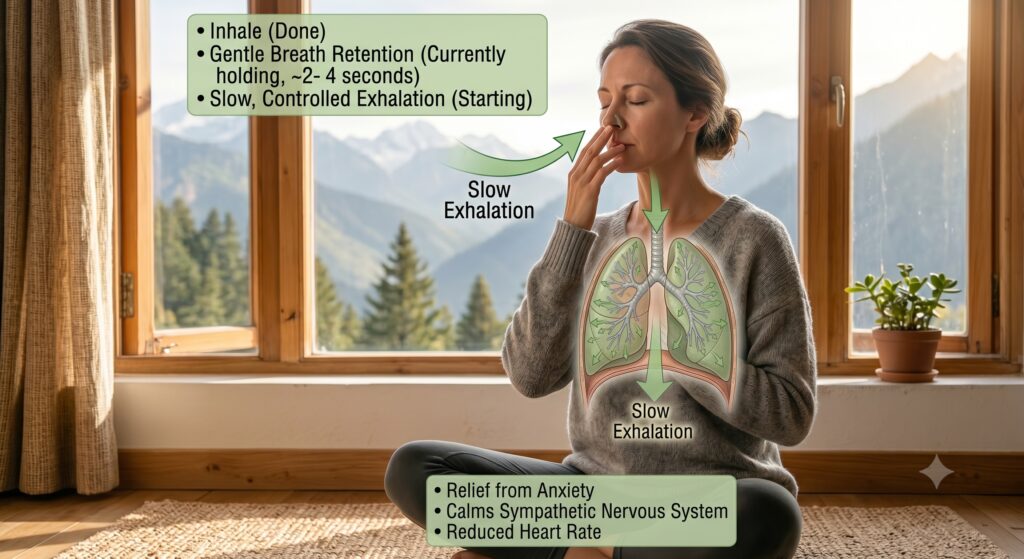
Multiple studies show that yogic breathing practices, including those with structured breath retention, can reduce anxiety, negative affect, and perceived stress.
A four‑week pranayama intervention led to decreased state anxiety and negative mood, along with changes in brain areas involved in emotion processing, such as the amygdala and prefrontal cortex.
Slow, deep breathing at a controlled pace has been found to lower physiological arousal, reduce physical tension, and improve markers of autonomic balance, making it a clinically relevant tool for anxiety regulation.
For many of our guests, breathwork for anxiety—especially gentle internal breath holds followed by long exhalations—becomes a portable way to calm spirals and come back to their body.
3. Sharper Focus, Attention, and Emotional Control
In a 30‑day breath retention program, participants showed significant improvements in tests of attention, concentration, and working memory, such as digit substitution and letter cancellation tasks.
Another study using yoga breathing with intermittent breath holding found better response inhibition—the ability to pause before acting impulsively—suggesting enhanced executive control.
For creators, leaders, and knowledge workers, this means breath retention pranayama can be part of a cognitive hygiene ritual before deep work, writing, or decision‑making, helping to clear mental clutter and stabilize focus.
4. Supporting Heart and Autonomic Health (When Done Gently)
Slow yogic breathing, with or without mild retention, has been shown to reduce resting heart rate, improve baroreflex sensitivity (blood pressure regulation), and increase heart rate variability in healthy individuals.
Such changes indicate a more adaptive autonomic nervous system and better resilience to everyday stressors.
However, research on stronger external breath holds shows transient increases in blood pressure and cardiac load during the practice, which is why these forms are not appropriate for everyone and must be phased in gradually if used at all.
Honest Disadvantages and Risks You Need to Know
1. Cardiovascular Strain and Blood Pressure Spikes
Studies of external breath holds in pranayama document significant rises in systolic and diastolic blood pressure, mean arterial pressure, and cardiac workload during the hold.
In some cases, blood pressure does not immediately return to baseline after the practice, suggesting a genuine cardiovascular challenge rather than a neutral pause.
For people with uncontrolled hypertension, heart disease, history of stroke, or other serious cardiovascular conditions, this added strain can be risky and requires medical clearance and expert supervision before attempting advanced pranayama technique work.
2. Dizziness, Discomfort, and Panic Responses
If you push breath retention beyond your comfortable capacity, you may experience dizziness, pressure in the head or chest, or a feeling of suffocation, especially with long external holds.
For those already prone to anxiety or panic, such sensations can reinforce fear and make breathwork feel unsafe, undermining all the potential benefits.
This is why at Prana Privé we build from simple slow breathing practice toward very modest internal breath holds, tracking each guest’s nervous system responses and never chasing performance.
3. Not Appropriate for Everyone
Breath retention is generally discouraged or requires strict modification for certain groups, including people with uncontrolled high blood pressure, serious heart disease, severe asthma or chronic lung disease, pregnancy, or recent major surgery.
In those cases, safer choices include diaphragmatic breathing without holds, alternate nostril breathing at an easy pace, or humming‑based pranayama, all of which show benefits for anxiety and vagal tone.
Who Should Practice Only With Guidance or Avoid It
You should avoid strong or prolonged breath retention and work only with simple slow breathing unless cleared by a professional if you:
- Have uncontrolled hypertension, significant cardiovascular disease, or previous stroke.
- Have severe asthma, COPD, or chronic respiratory issues.
- Are pregnant or in the immediate postpartum phase with complications.
- Experience frequent panic attacks where breath‑related sensations are triggering.
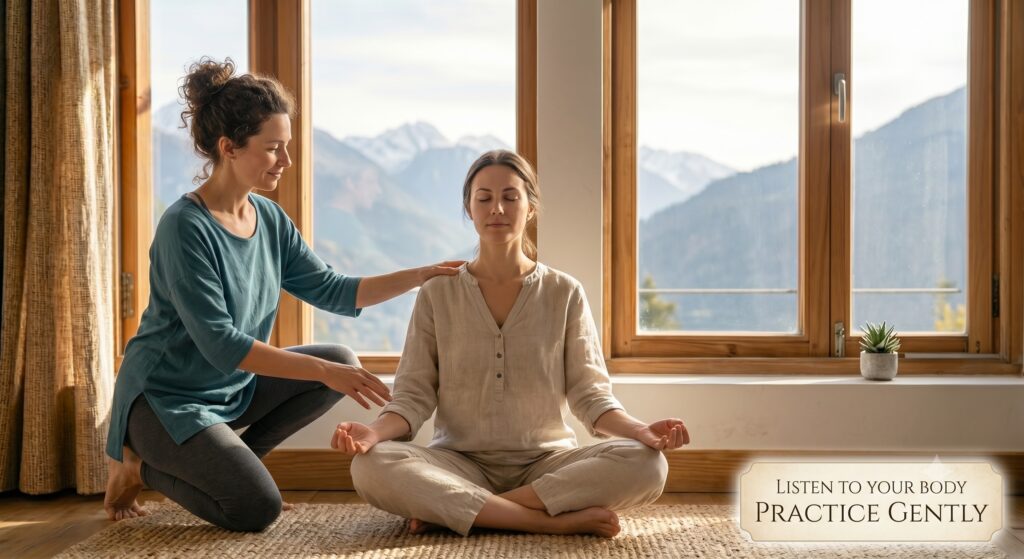
Always consult a healthcare provider and a qualified pranayama teacher before experimenting with advanced breath patterns if you are living with medical conditions.
How We Safely Build Toward Breath Retention at Prana Privé
Before any guest tries longer breath holds, we spend time establishing a stable foundation of smooth, slow breathing at a pace the nervous system can trust. Research shows that slow breathing at fewer than ten breaths per minute can enhance parasympathetic activity and improve cardio‑respiratory coordination even without retention.
Our general educational framework looks like this (for informational purposes only, not as medical advice):
- Phase 1 – Slow Rhythmic BreathingWe start with diaphragmatic breathing, often at a gentle four‑count inhale and six‑count exhale, focusing on wave‑like expansion of the belly and lower ribs.
The emphasis is on softness, relaxed facial muscles, and a sense of safety—no breath holds yet, just training the body to trust slow breathing. - Phase 2 – Short Internal Breath HoldsOnce the breath is smooth, we introduce very brief, comfortable pauses after inhalation, such as inhaling for a few counts, pausing for one or two, then exhaling slightly longer.
Any sign of strain, dizziness, or pressure is treated as information to dial back the intensity or return to simple slow exhalations. - Phase 3 – Meditative IntegrationAs guests become familiar with the pause, we pair it with simple focal points—like awareness at the heart center or the space between the eyebrows—so the breath and mind settle together.
For many, this is where the deeper yogic breathing benefits begin to unfold: clearer perception, softer emotional reactivity, and a quiet sense of being “more inside the body.”
Stronger external holds or complex counting ratios are introduced only, if at all, in advanced sessions and always with close guidance, given the documented cardiovascular responses.
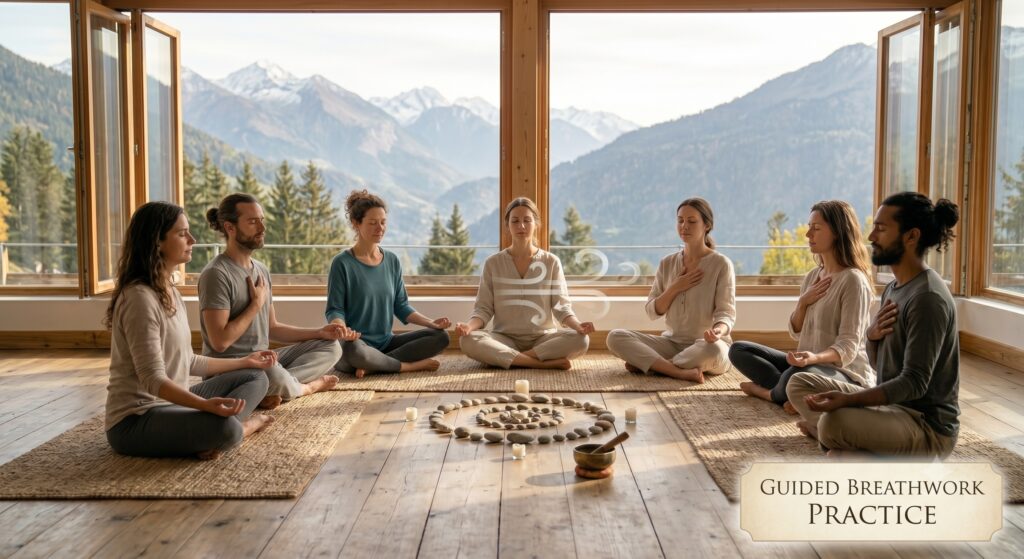
If you feel called to explore breath retention pranayama but want a container that feels safe, held, and trauma‑aware, consider joining one of our immersive retreats at Prana Privé across the globe.
We integrate evidence‑informed breathwork, nervous system education, and contemplative practices so you can experience this “sacred pause” in a way that honours your unique body and story.
Bringing Breath Retention into Modern Life
Breath retention pranayama does not have to remain confined to the mat or retreat hall. Once the basics are integrated, you can use gentle internal breath holds in many everyday contexts:
- Before a difficult conversation, to down‑shift anxiety and speak from your center.
- Between focused work blocks, to clear mental noise and reset your attention.
- As part of your evening wind‑down to transition from screen‑time to sleep.
Research on both slow breathing and pranayama as a whole shows meaningful benefits for mental health, including reductions in anxiety, depressive symptoms, and perceived stress when practiced consistently
A Reflection
The pause between your breaths is more than empty space—it is a living threshold where your nervous system decides whether to keep fighting or to finally rest.
Scientific studies are now confirming what yogic lineages have whispered for centuries: when practiced wisely, breath retention within a slow, conscious breathing pattern can expand lung capacity, reduce anxiety, sharpen cognition, and support cardiovascular and autonomic health.
If you feel that your healing or growth journey is missing a direct, embodied way to work with your nervous system, this ancient practice might indeed be the “missing link” you have been sensing.
When you are ready to explore it with guidance, community, and mountains holding the horizon, we welcome you to experience this work in person at Prana Privé. Get in touch with us.