
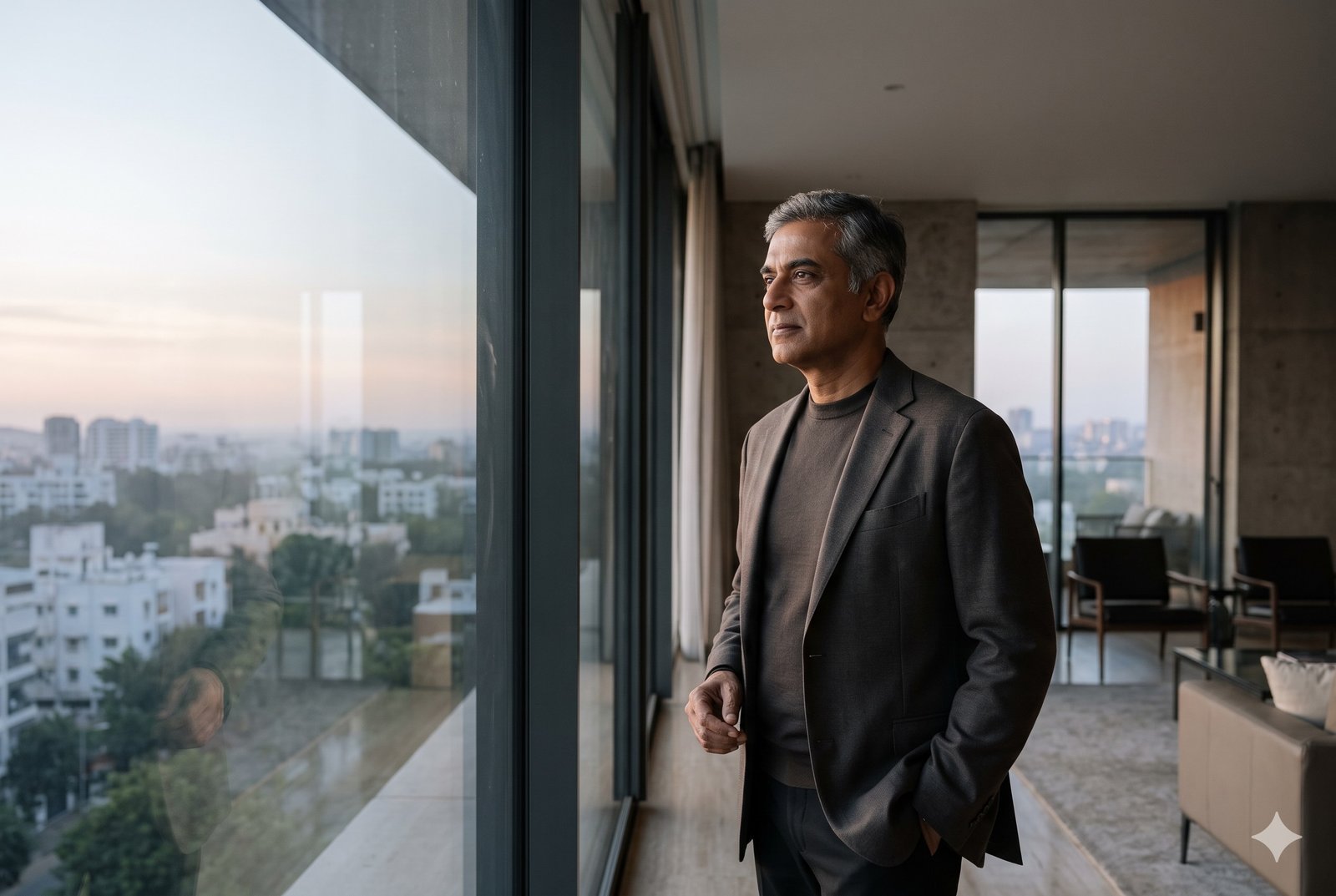
Success has a visible language: full calendars, expanding responsibilities, frequent travel, and the ability to remain composed under pressure.
Its biological cost is less visible.
Chronic stress and inflammation can influence how we age, how energetic we feel, and how well we maintain our health over time. The concern is not ambition itself. It is the prolonged mismatch between what life demands and the opportunity the body has to recover. Research links persistent psychological stress with changes in immune regulation and biological processes involved in aging.
For those accustomed to measuring progress through achievement, this invites a different question: what does success cost when recovery becomes permanently optional?
When the Stress Response Stops Switching Off
Stress is not inherently harmful. In the short term, it is an adaptive response that helps us meet a challenge. The brain activates coordinated hormonal and nervous-system signals, including the release of cortisol, to mobilise resources and increase alertness.
The difficulty arises when activation becomes persistent.
Uncertainty, conflict, caregiving, financial pressure, and relentless availability can create repeated demands without a clear endpoint. Over time, chronic stress can disrupt the regulation of the systems that coordinate our response to those demands, including communication between the brain, hormones, and immune cells.
This is more complex than the familiar claim that stress simply means “too much cortisol.” Cortisol normally helps regulate inflammation. Under prolonged stress, some immune cells may become less responsive to its anti-inflammatory signals, allowing inflammatory activity to persist.
The body’s protective response can become harder to regulate—not because it has failed, but because it is being asked to adapt continuously.
Inflammation: Essential Protection, Persistent Burden
Inflammation is part of the body’s defence and repair machinery. The problem is not its existence, but its failure to resolve. When inflammation becomes chronic, it can persist for months or years and contribute to tissue injury and disease.
Low-grade inflammation is subtler than the redness or swelling associated with an obvious injury. It involves ongoing inflammatory signalling that may not produce clear, recognisable symptoms. Researchers use the term inflammaging to describe the chronic, low-grade inflammation that commonly accompanies aging, often without an overt infection.
Stress is one contributor—not the sole explanation. Aging-related immune changes, environmental exposures, lifestyle factors, and existing illness can also influence inflammatory activity. Reducing this complex biology to a single cause, or a single wellness solution, misses the larger picture.
How Chronic Stress and Inflammation Shape Aging
Aging is not simply the passage of time. It also involves changes in how effectively the body maintains tissues, regulates immune responses, and adapts to challenges.
Chronic inflammation interacts with several biological processes associated with aging. The relationship can be circular: aging-related changes encourage inflammation, while persistent inflammation may further contribute to dysfunction and age-related disease.
This matters because chronic inflammation is linked with conditions including cardiovascular disease, type 2 diabetes, frailty, and functional decline. These are associations within a complex biological system—not evidence that every stressful season causes disease, or that every demanding career accelerates aging in the same way.
The useful lesson is neither fear nor fatalism. It is that long-term vitality deserves attention before a health problem forces a change in priorities.
Why Energy Can Feel Different
A person may remain productive while feeling progressively less restored.
Inflammatory signals can influence the brain and behaviour, contributing to fatigue, changes in motivation, altered sleep, and difficulty concentrating. These effects are well described in inflammatory illness, where immune signalling can change how much effort ordinary activities seem to require.
However, fatigue is not a diagnosis of inflammation.
Even among people with inflammatory diseases, tiredness often reflects several overlapping influences, including sleep disturbance, pain, mood, medication effects, and reduced physical capacity. Fatigue can also persist when conventional inflammatory markers improve.
Persistent or worsening exhaustion therefore deserves clinical assessment rather than an automatic label of “high cortisol” or “inflammaging.”
Recovery Is Part of Sustainable Performance
The answer is not to abandon achievement. It is to stop treating restoration as something that must be earned after every other obligation has been fulfilled.
A practical foundation combines adequate sleep, regular physical activity, balanced nutrition, supportive relationships, and deliberate stress-management practices. Relaxation techniques may be most useful when practised consistently and integrated with these wider habits.nccih.
Consider a few modest starting points:
- Protect a realistic end to the working day instead of allowing availability to become continuous.
- Make room for movement and meals rather than treating both as interruptions.
- Practise a brief period of comfortable, slow breathing or progressive muscle relaxation.
- Preserve time with people whose company feels supportive rather than demanding.
Breathing and relaxation practices can help elicit the body’s relaxation response. They are supportive tools, not proof that inflammation has fallen or substitutes for medical treatment. Persistent insomnia may require more specific care; cognitive behavioural therapy for insomnia is recommended as an initial treatment for chronic insomnia.
A practical foundation combines adequate sleep, regular physical activity, balanced nutrition, supportive relationships, and deliberate stress-management practices.
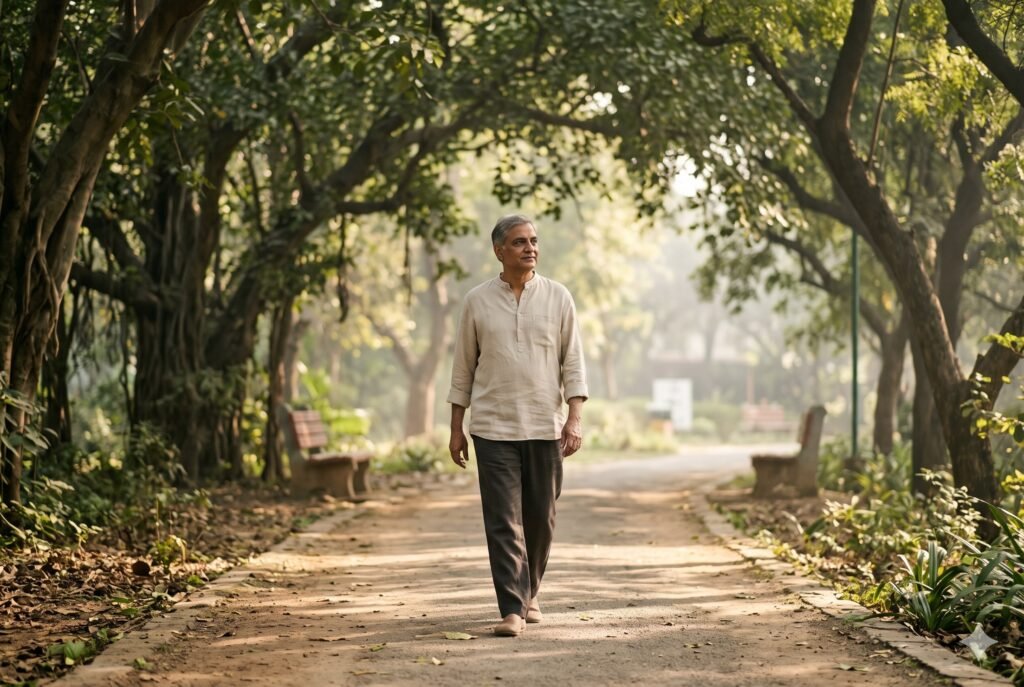
A More Complete Definition of Success
Modern achievement often rewards the ability to override discomfort. Long-term vitality asks for a different skill: recognising when the pattern itself needs to change.
The central idea is recovery.
Not as an occasional escape from a demanding life, but as a regular part of how that life is designed. The ambition is not merely to remain capable of doing more. It is to preserve the health, clarity, and capacity to enjoy what achievement makes possible.
You can get more healthspan and longevity updates by joining us.
Medical note: This article provides general educational information and does not replace personalised medical advice.