
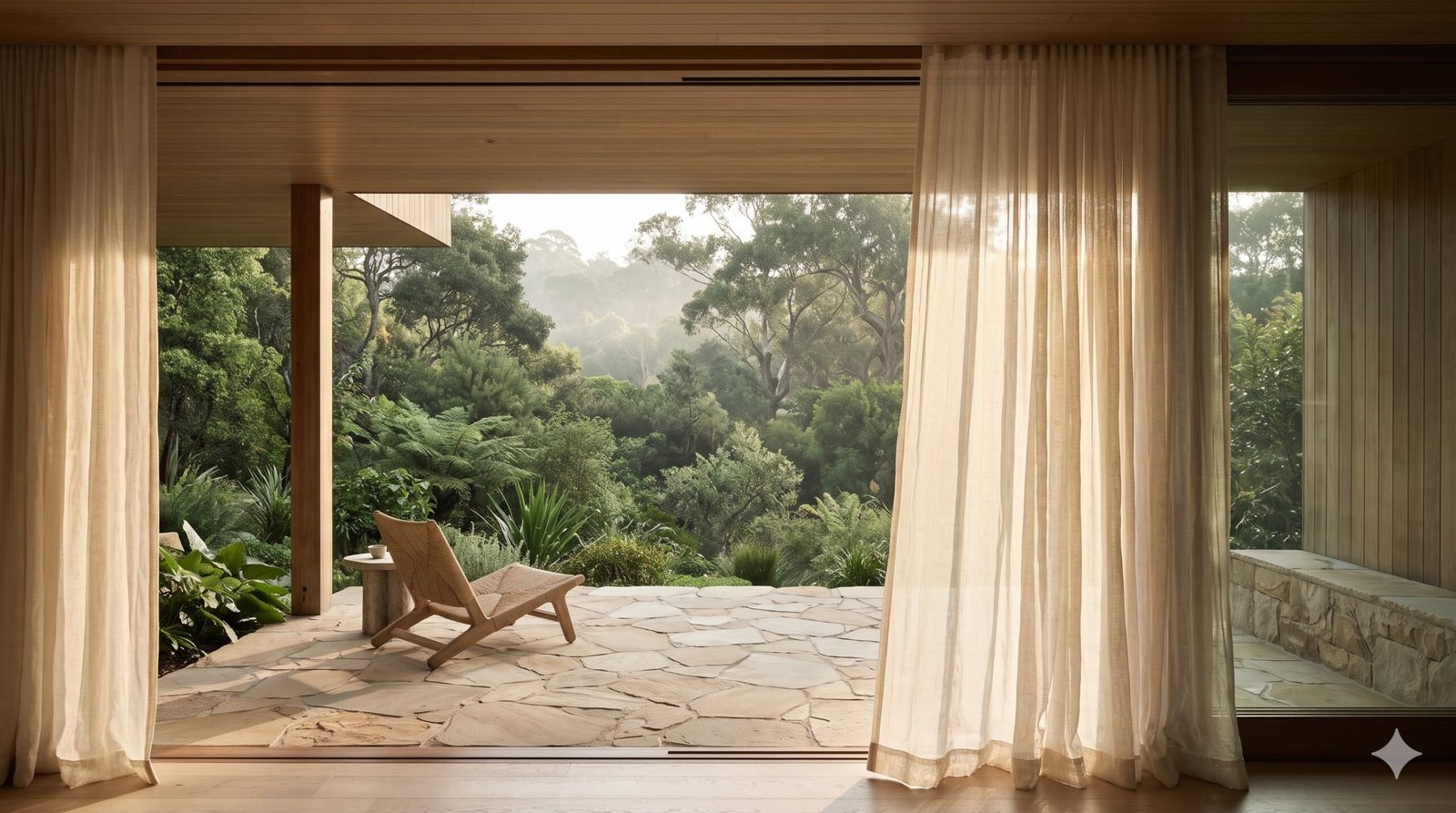
Beyond what we eat, how we move, and the hours we sleep lies another influence on well-being: the places in which our lives unfold.
There are places where you arrive and immediately feel less hurried.
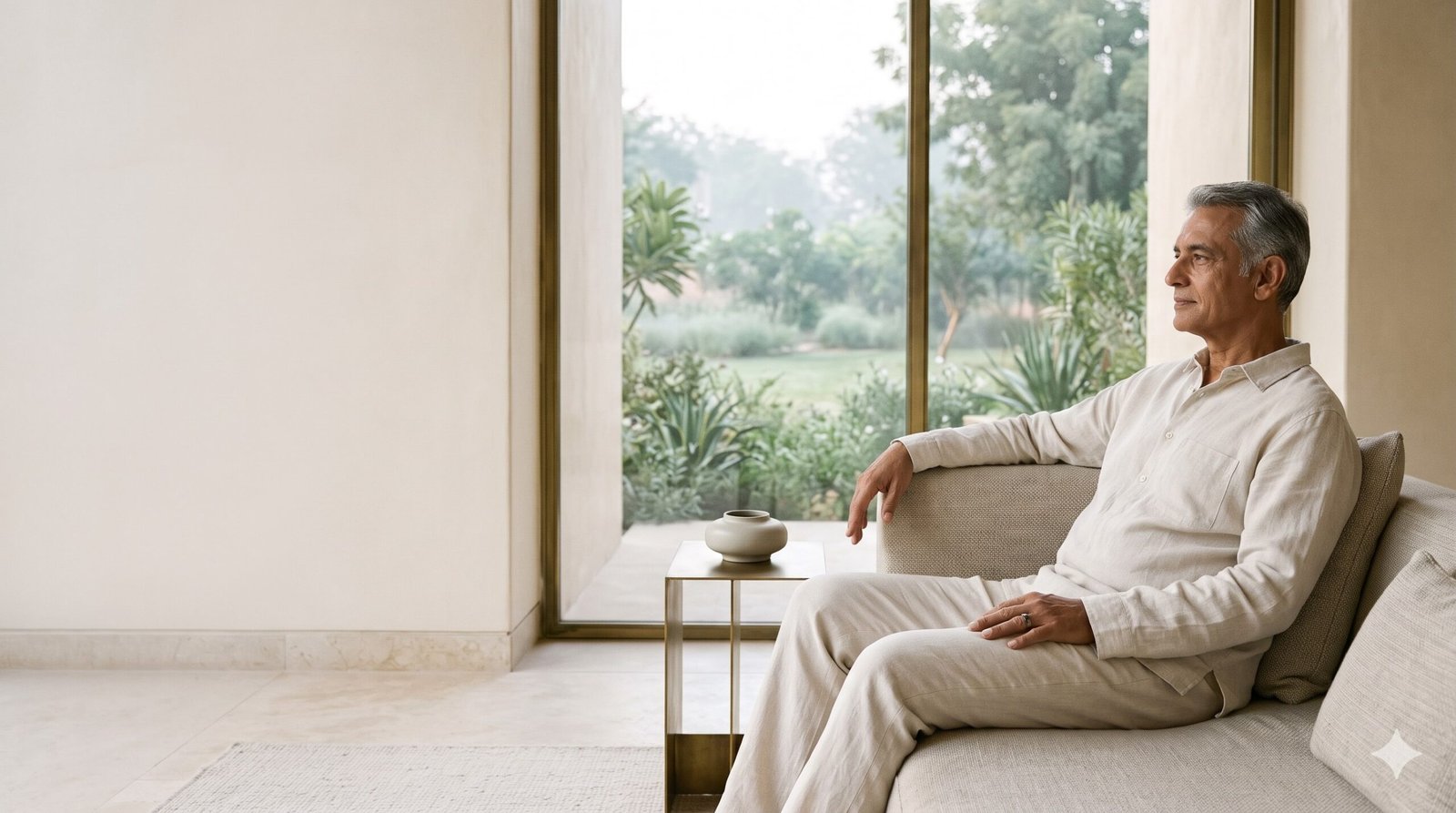
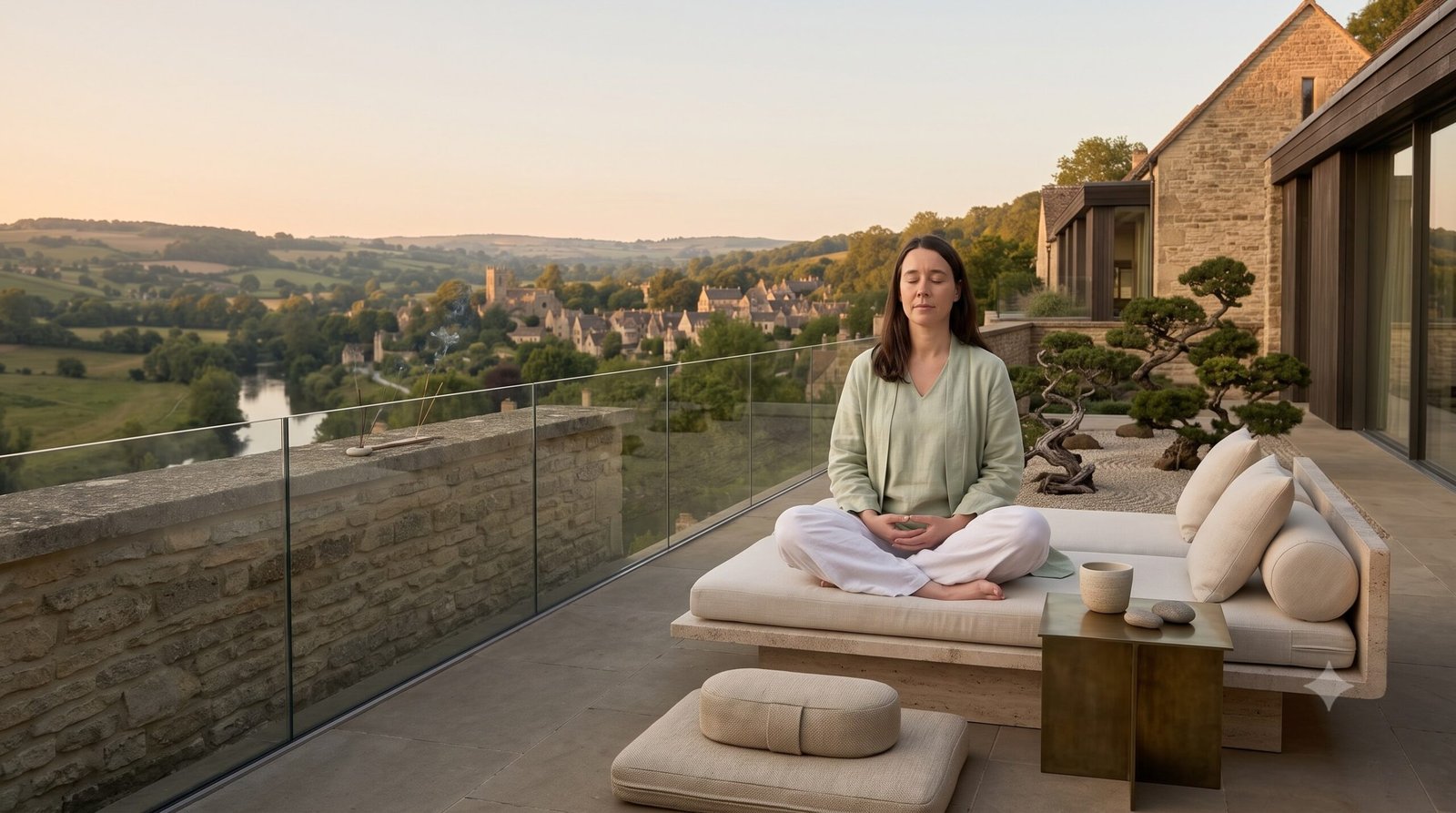
A shaded courtyard. A bedroom untouched by traffic noise. A verandah where morning light reaches the floor before a screen reaches your attention.
Nothing has been asked of you. Yet something feels different.
We often approach longevity as a personal undertaking: refine the diet, improve the routine, become more disciplined. But the body does not live in isolation from its surroundings. It lives within patterns of light and darkness, sound and interruption, movement and stillness. These conditions influence the opportunities we have to sleep, recover, concentrate, and connect.
At Prana Privé, we propose a broader question: not simply, How well are you living? But, How well does the place around you allow you to live?
This is the longevity of place—not a promise that beautiful surroundings add years to life, but an exploration of how environments can support the quality of those years.
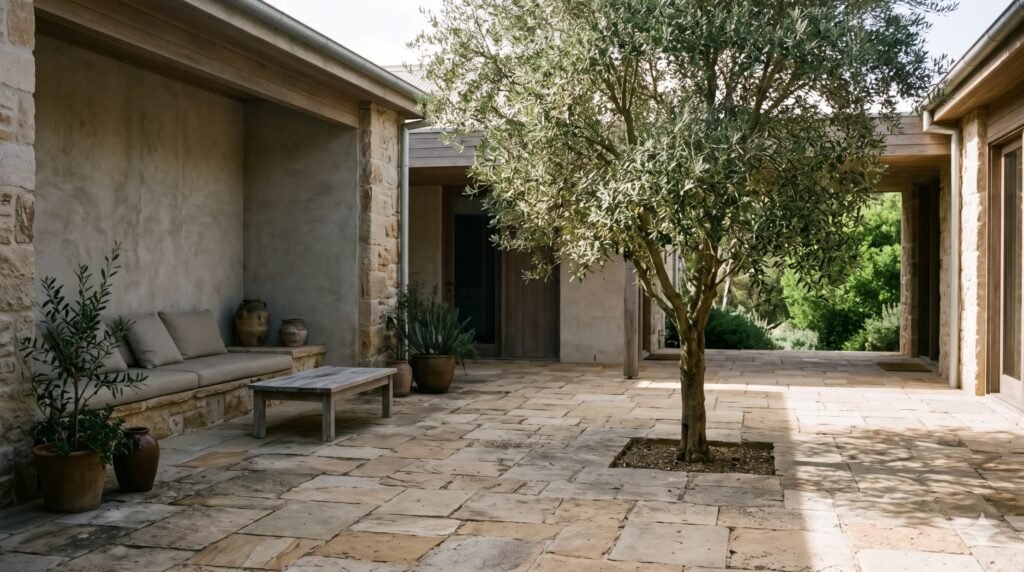
Architecture: More Than a Beautiful Backdrop
A home can be visually exquisite and still be difficult to rest in.
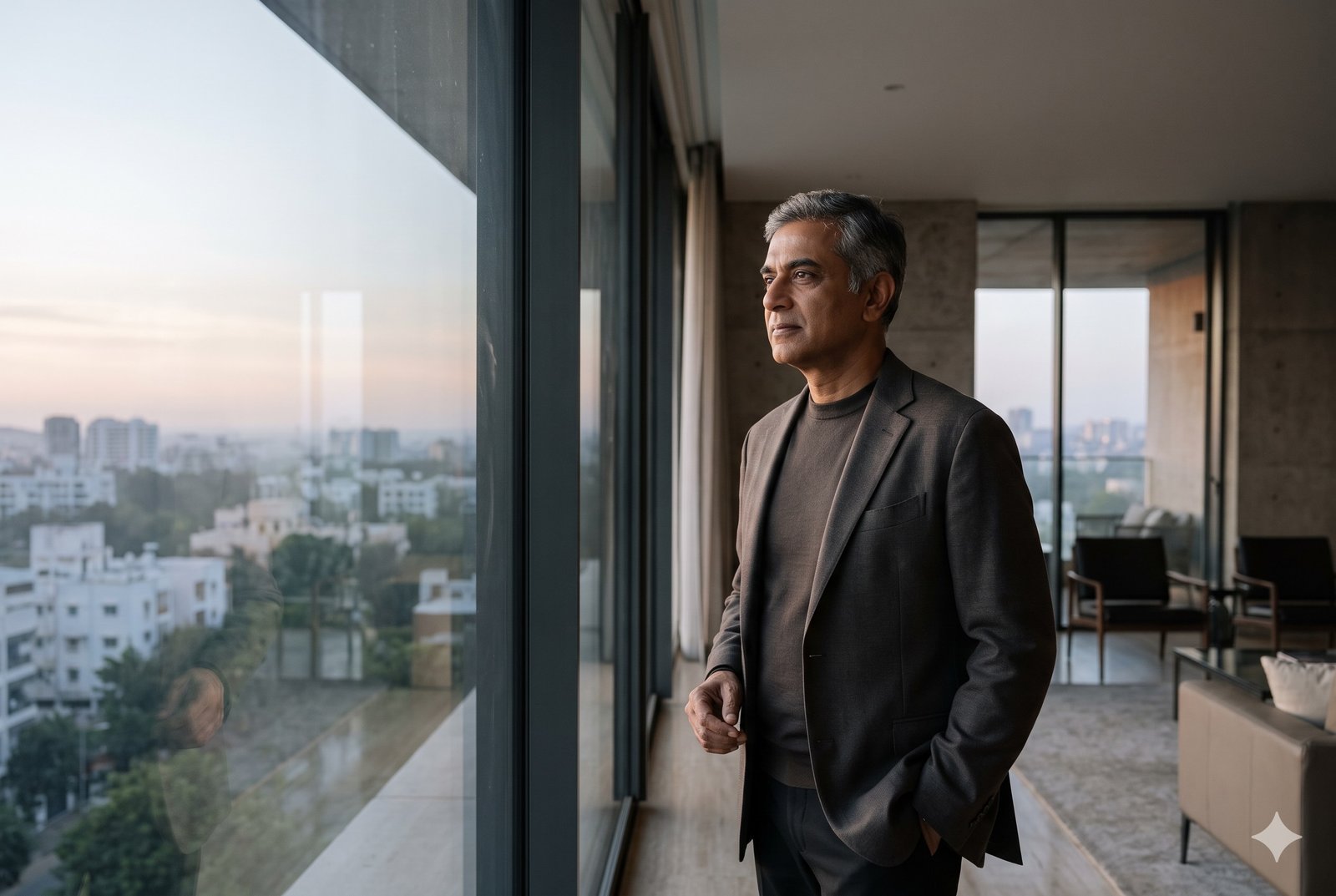
Glass may frame an extraordinary view while admitting excessive heat. A dramatic interior may amplify every conversation. A bedroom may appear serene in photographs yet remain exposed to streetlight and late-night traffic.
Health-supportive architecture begins beneath the surface.
Ventilation, indoor air quality, protection from heat and dampness, and opportunities for safe movement matter more than a particular decorative style. The World Health Organization identifies these features of housing and urban design as meaningful influences on health.
The distinction is important: natural stone is not a treatment. An uncluttered room is not a clinical intervention. Beauty has its place, but it should not distract from the conditions that make a space genuinely comfortable and usable.
For a home or retreat, this suggests a different design brief:
- Protect the sleeping space from avoidable noise and light.
- Manage heat, glare, dampness, and indoor pollutants.
- Make everyday movement convenient rather than cumbersome.
- Offer places for privacy alongside spaces for companionship.
- Create outdoor access that people will actually use.
The most thoughtful architecture does not require its occupants to continually compensate for it.
It makes living well feel less effortful.
Light: The Daily Rhythm Written Into a Room
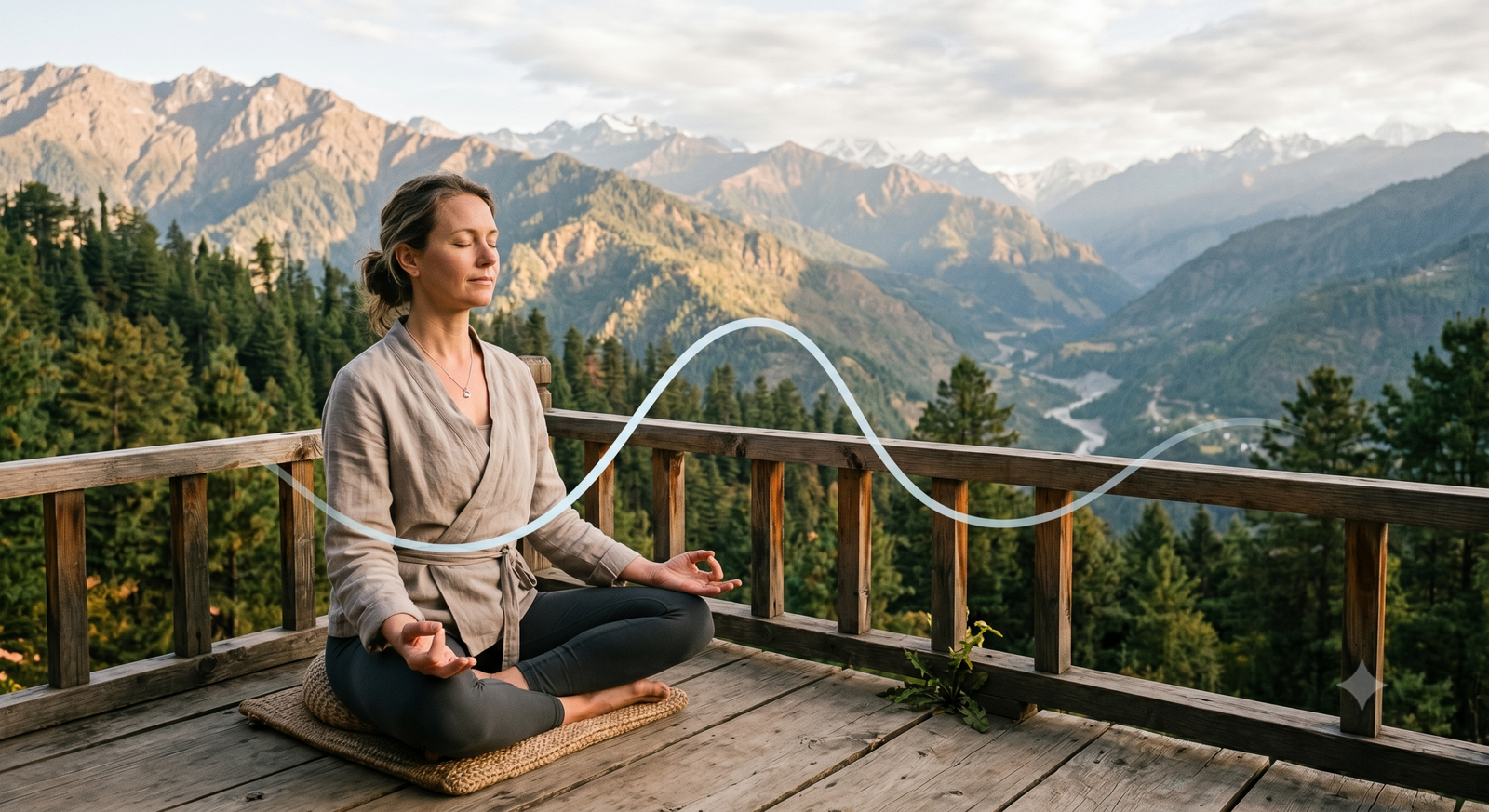
Light is not merely something by which we see. It is also a signal of time.
Patterns of light and darkness help synchronise circadian rhythms—the roughly 24-hour rhythms that organise many bodily processes. Disruption of those rhythms is linked with poor sleep and poorer cognitive performance, among other health concerns.
A room can therefore be beautifully lit and poorly timed.
Dim days spent indoors, followed by brightly illuminated evenings, can blur the contrast between activity and rest. Researchers highlighted by the US National Institute of Environmental Health Sciences emphasise the importance of stronger daytime light exposure and lower light exposure at night.
Translated into daily life, the principle is simple: let the day look like day, and allow the evening to become evening.
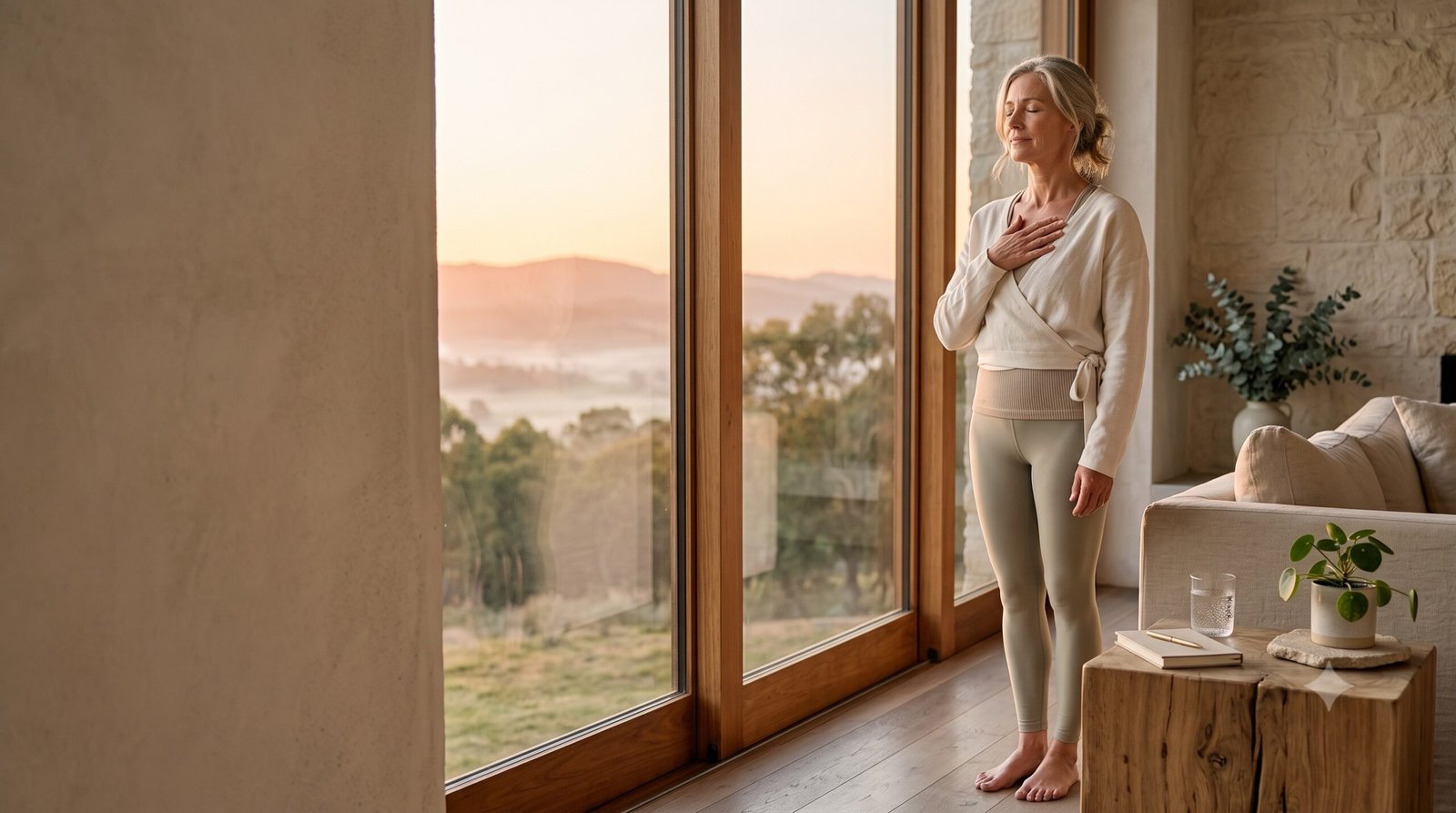
Seek daylight outdoors when practical. Arrange daytime spaces to make useful natural light accessible without creating uncomfortable glare or heat. As bedtime approaches, reduce unnecessary brightness and protect the bedroom from intrusive light.
The precise needs of individuals differ. The point is not to prescribe a perfect lamp or a universal lighting schedule, but to recover a distinction modern interiors often erase.
Morning should not feel like midnight. Midnight should not resemble an office.
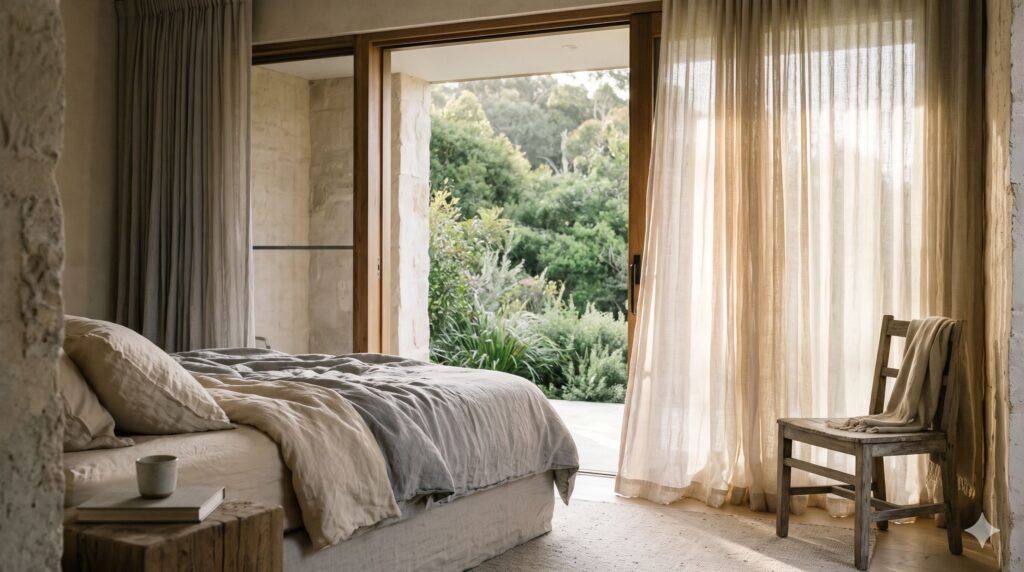
Silence: Protecting Rest From What We Have Learned to Ignore
There is a difference between becoming accustomed to noise and being unaffected by it.
Environmental noise is not simply an irritation. WHO identifies excessive noise as a contributor to sleep disturbance, cognitive impairment, and cardiovascular health risks.
This gives quiet a significance beyond atmosphere.
A bedroom protected from traffic, a workspace removed from repeated interruption, or a retreat without amplified sound in every shared area may offer something increasingly scarce: fewer demands on attention.
The ambition need not be absolute silence. For many people, a completely silent environment is neither possible nor desirable. The more useful question is whether sound is intrusive, unpredictable, or difficult to escape.
In practice, consider the location of a bedroom before its furnishings. Notice mechanical hum, corridor activity, and outside traffic. Where needed, seek appropriate acoustic measures rather than expecting soft décor alone to solve a structural problem.
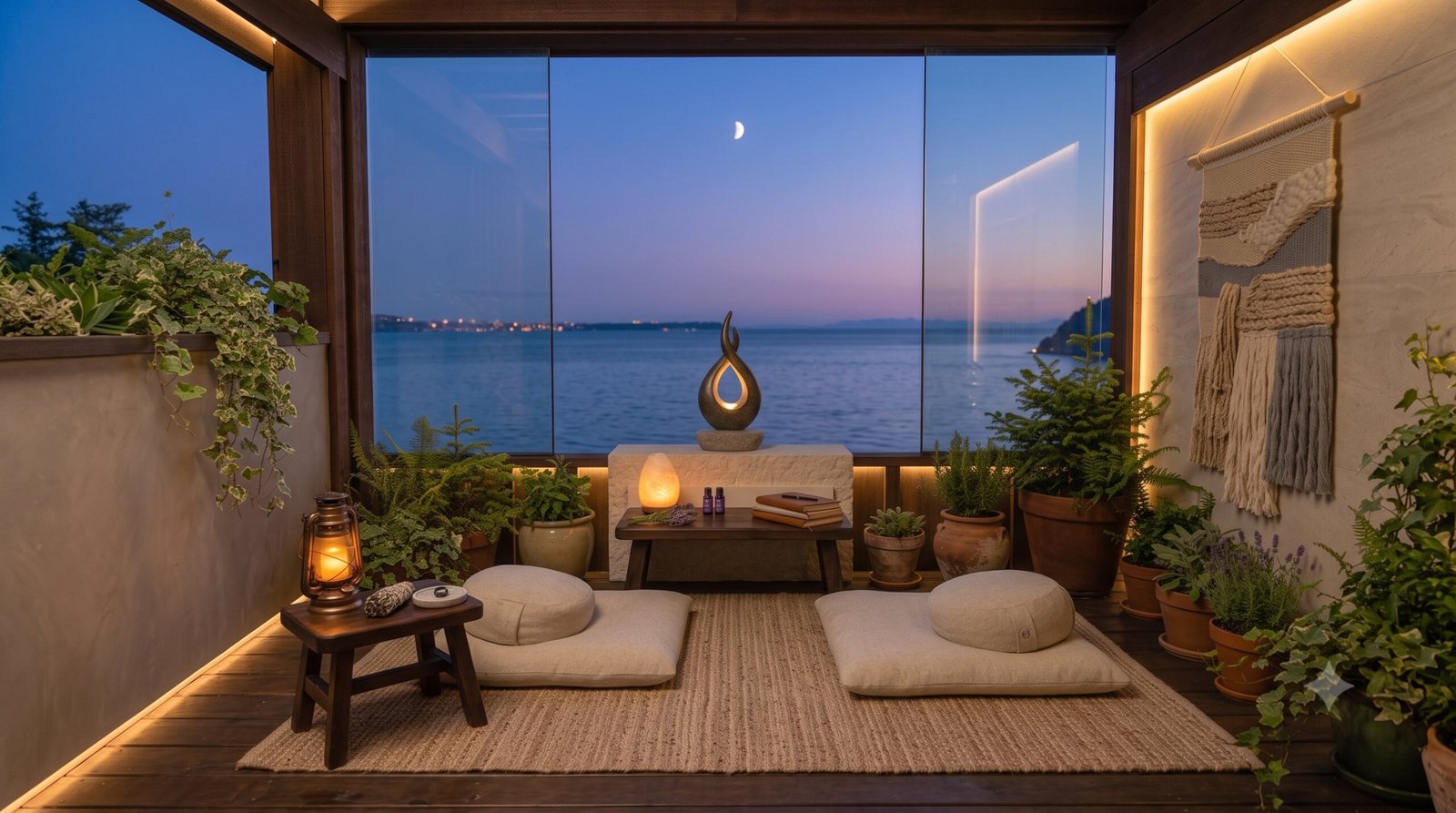
Quiet should also remain a choice. A restorative place allows conversation and companionship without making them unavoidable.
The refinement lies in having somewhere to withdraw.
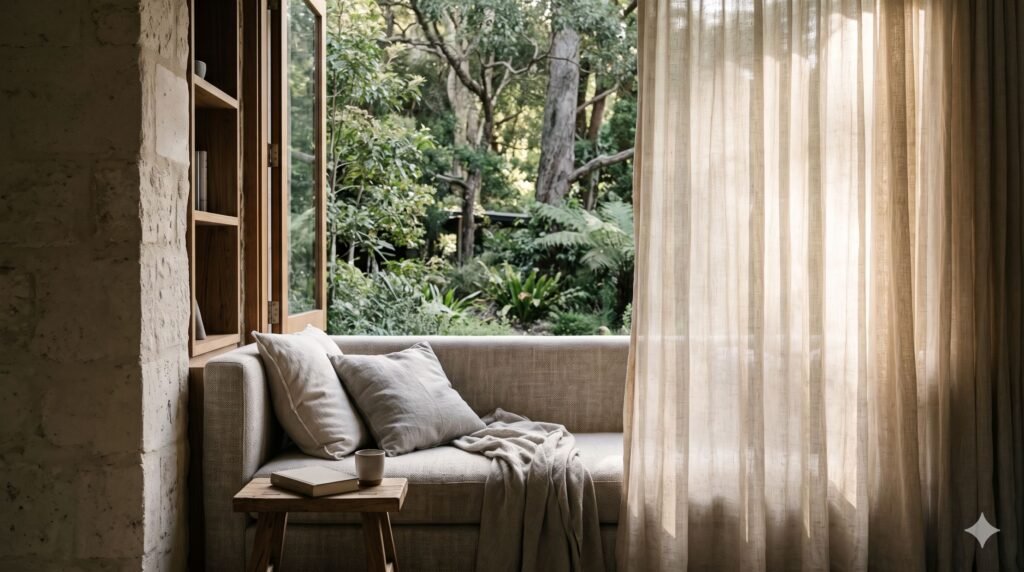
Landscape: A Setting That Invites Participation
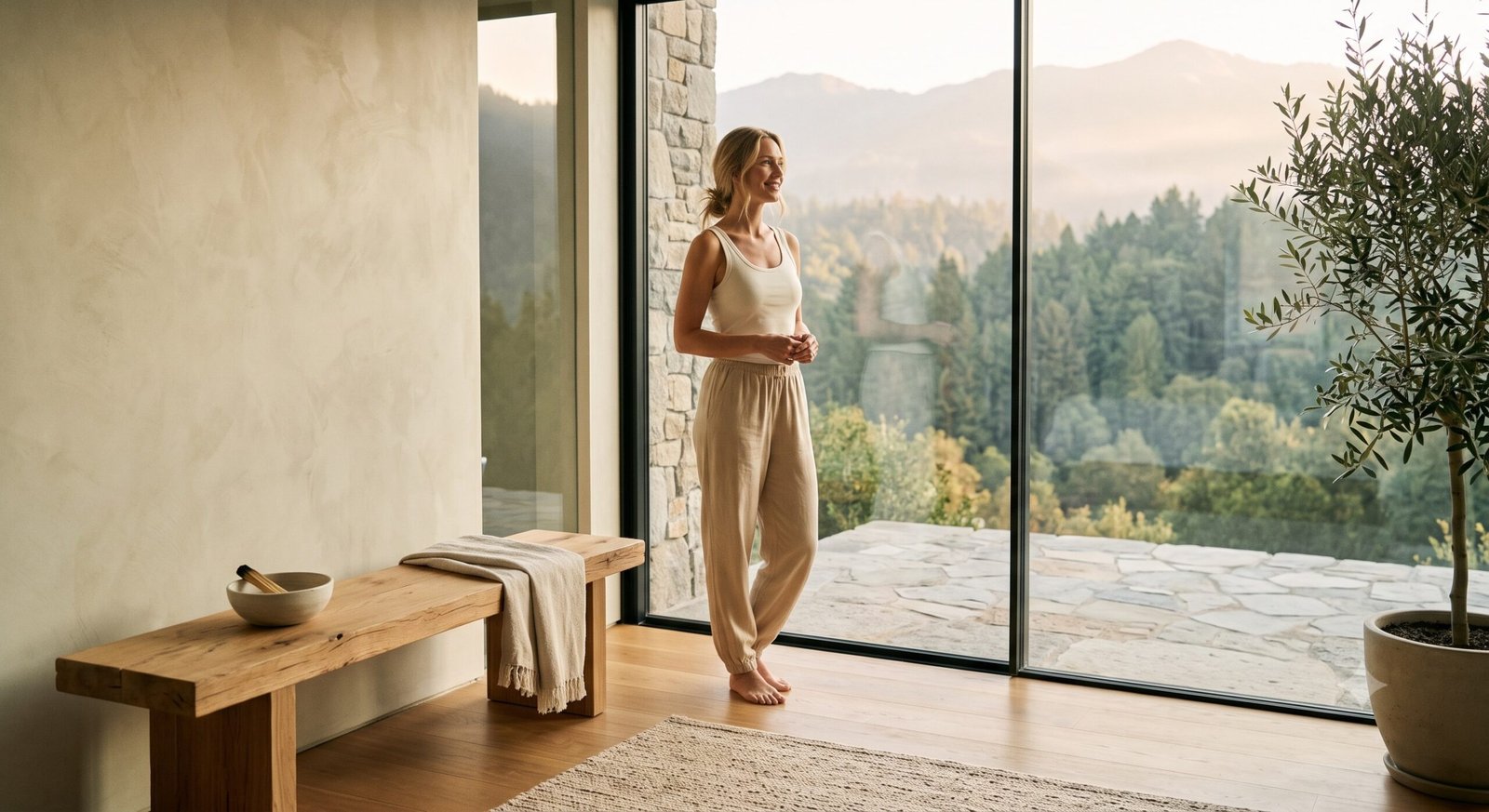
A landscape can do more than provide a view.
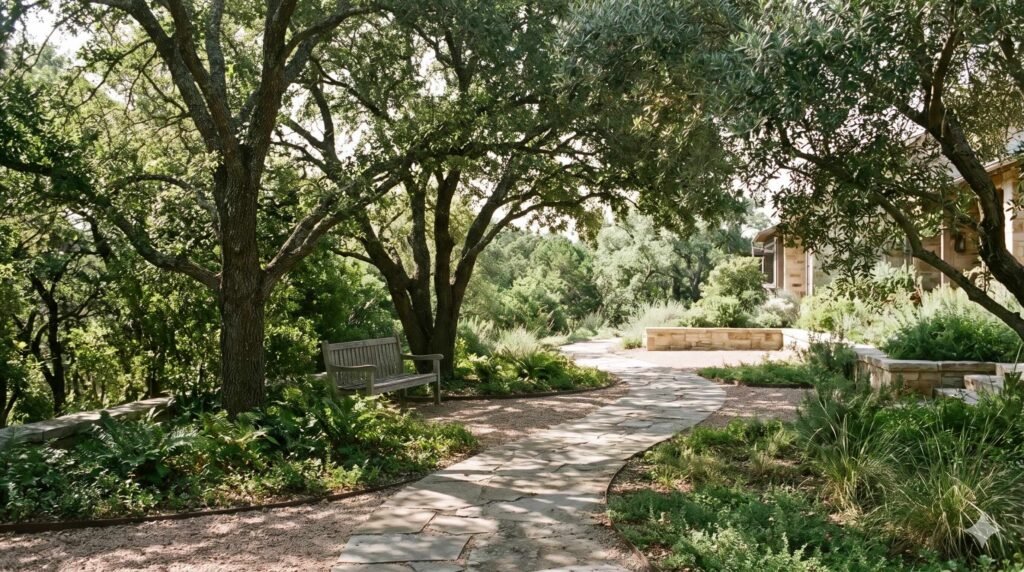
A shaded path invites a walk. A nearby garden offers somewhere to pause. A park creates opportunities for movement, conversation, and time outdoors.
WHO’s review of urban green spaces describes several pathways through which nature can support health: psychological relaxation, stress alleviation, physical activity, social connection, and reduced exposure to certain environmental hazards.who
This is why the most useful landscape is not necessarily the most spectacular one.
A distant mountain may inspire awe. A modest, accessible garden may become part of everyday life.
For long-term well-being, that distinction matters. An environment that supports repeated, ordinary use can become woven into a routine: a morning walk, an outdoor conversation, an unhurried interval between tasks.
The evidence does not mean that every green setting produces the same benefit, or that a particular view guarantees better health. Access, safety, usability, and local conditions all matter. WHO also notes gaps in knowledge about the effectiveness of specific green-space interventions.
The design question is therefore less about how impressive a landscape appears and more about how generously it can be lived in.
Pace: What a Place Makes Easy
Every environment has a pace, even when nobody has deliberately chosen it.
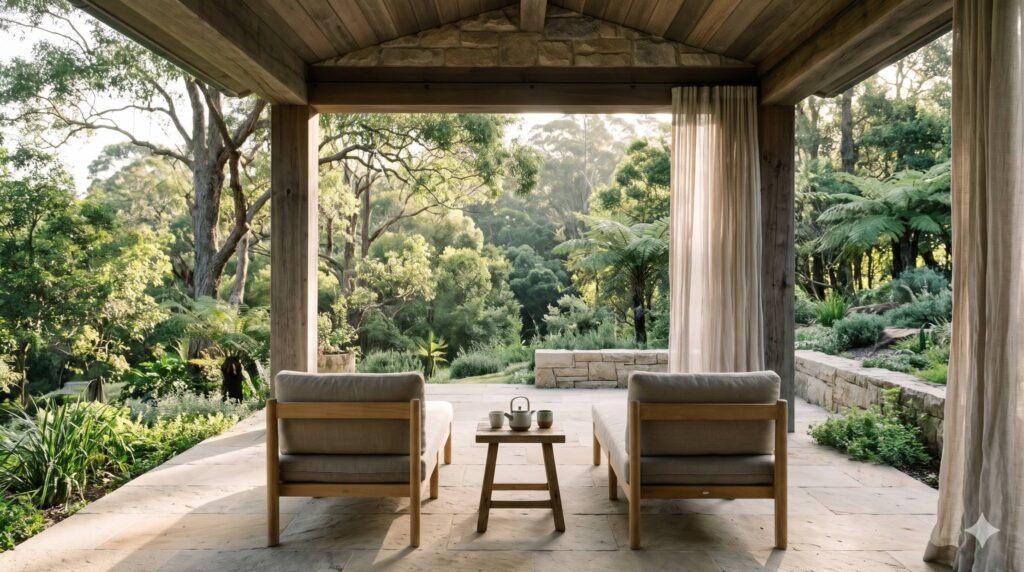
A dining table covered in devices suggests one kind of evening. A terrace with comfortable seating suggests another. A neighbourhood without safe walking routes makes movement a different proposition from one with shaded, connected paths.
WHO recognises that the design of cities can encourage or discourage everyday habits, including physical activity and active travel.
Within a home or retreat, the same principle offers a useful design lens: what does this place make easy?
Does it make stepping outside convenient? Can a meal be enjoyed away from work? Is there somewhere to sit without being expected to respond? Can activity and rest occupy different spaces?
A slower pace should not be confused with inactivity. The intention is not to remove purpose, exercise, or stimulation. It is to make room for a day with contrasts: engagement and withdrawal, movement and pause, sociability and privacy.
For those whose working lives are organised around constant availability, that contrast can be a more meaningful form of luxury than another scheduled experience.
Not every moment needs to be filled to be valuable.
Why the Everyday Environment Matters Over Time
A retreat offers an interruption. Everyday surroundings establish the conditions to which we return.
The long-term relevance of place lies partly in repetition: recurring exposure to night-time noise, daily access to daylight, the availability of green space, and whether a neighbourhood makes movement practical. These are not interchangeable influences, but each can shape health-related conditions or behaviours.niehs.
This is also where claims about longevity require restraint.
Evidence that light affects circadian rhythms, noise disrupts sleep, or green space supports well-being does not establish that a particular interior style slows biological ageing. Nor can a beautiful setting replace medical care, relationships, adequate nutrition, or other foundations of health.
The more credible proposition is quieter—and more useful.
A supportive environment can make beneficial routines easier to sustain and reduce some avoidable obstacles to rest and well-being. The aim is not a perfect sanctuary. It is a better relationship between the body and the places it occupies.
Bringing the Longevity of Place Home
Begin with one ordinary day rather than a renovation plan.
Notice where daylight reaches you. Listen to the bedroom after dark. Consider whether your preferred walking route is genuinely pleasant and accessible. Look at the place where you finish work and the place where you attempt to rest.
Then ask:
- What repeatedly interrupts my rest?
- Where could I make daylight or outdoor time easier to access?
- Which space could become genuinely separate from work?
- Does my home offer both connection and privacy?
- What small change would make the next healthy choice more convenient?
These questions shift the emphasis from acquiring more to arranging better.
A home need not resemble a retreat. It needs to serve the person who lives there.
A More Considered Definition of Luxury
Perhaps the next expression of luxury is not greater stimulation, but greater discernment.
Light that belongs to the hour. A bedroom that protects the night. A landscape that invites movement. A place to enjoy company, and another in which to be alone.
The longevity of place asks us to consider our surroundings not merely as evidence of taste, but as conditions for living.
At Prana Privé, this becomes an invitation: to look beyond what a place displays, and notice what it makes possible.
Explore Prana Privé’s approach to longevity and restorative living.
0 Comments